
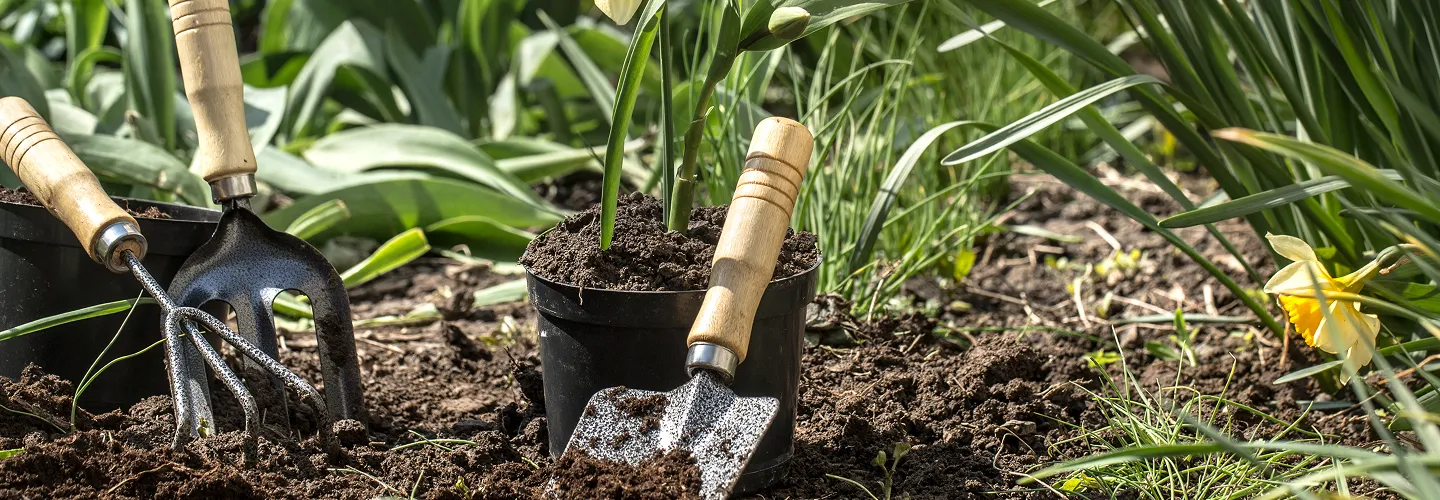
Giddings Plant Removal Services
Choose our Plant Removal service for expert care, fast turnaround, and a commitment to leaving your property clean and ready for your next project—experience the difference of working with local professionals who put your satisfaction first.
Get a Free QuoteOur Giddings Landscaping & Yard Care Services
When to Schedule Plant Removal in Giddings, Texas – Seasonal Guide
In Giddings, Texas, the best time for plant removal is typically late winter through early spring, before new growth begins and while the ground is still moist from seasonal rains. This timing helps minimize stress on your landscape and makes root extraction easier, especially in neighborhoods like Whispering Oaks or near Veterans Park, where mature trees and established shrubs are common. Giddings’s climate features hot, humid summers and mild winters, so scheduling plant removal before the heat sets in can help prevent soil compaction and reduce the risk of spreading pests or diseases.
Local environmental factors such as the region’s average last frost date in early March, periodic drought conditions, and the clay-heavy soils found around the Lee County Courthouse area all play a role in determining the optimal removal window. Homeowners should also consider shade coverage from large oaks, municipal guidelines, and the potential for heavy spring rains. For more information on local regulations, visit the official city resource.
Local Factors to Consider for Plant Removal in Giddings
- Tree density and proximity to structures
- Terrain slope and soil type (especially clay-rich soils)
- Seasonal precipitation and drought risk
- Shade coverage from mature trees
- Municipal restrictions and permit requirements
- Proximity to local landmarks or protected areas
Benefits of Plant Removal in Giddings
Expert Landscaping Services
Efficient Plant Removal
Eco-Friendly Disposal
Improved Curb Appeal
Customized Solutions
Licensed and Insured Team
Giddings Plant Removal Types

Tree Removal
-
Shrub Removal
-
Stump Grinding
-
Invasive Species Removal
-
Root Extraction
-
Hedge Clearing
-
Brush Clearing
Our Plant Removal Process
Site Evaluation
Preparation and Safety Measures
Plant Extraction
Debris Removal
Site Restoration
Why Choose Giddings Landscape Services
-
Giddings Homeowners Trust Us
-
Expert Lawn Maintenance
-
Reliable Scheduling
-
Competitive Pricing
-
Professional Team
-
Satisfaction Guarantee
-
Personalized Service
Navigating Giddings’s Plant Removal Permits and Municipal Coordination
Plant removal activities in Giddings are subject to specific municipal regulations to ensure public safety and environmental protection. The city requires permits for the removal of trees over 6 inches in diameter at breast height (DBH) and for any plant removal within 50 feet of designated wetlands or protected areas. Permit applications typically carry a $50 fee and are reviewed within 10 business days. Equipment operation for plant removal is restricted to:
- Monday-Friday: 7:00 AM - 7:00 PM
- Saturday: 8:00 AM - 6:00 PM
- Sunday and holidays: Prohibited All debris must be disposed of through the city’s weekly yard waste collection, held every Thursday from April through November. Only biodegradable bags or 32-gallon reusable bins are accepted; plastic bags and branches over 4 inches in diameter are prohibited. For detailed guidance on permit applications and collection schedules, residents should coordinate with the Department of Public Works.
Department of Public Works
118 E Richmond St, Giddings, TX 78942
Phone: (979) 542-2057
Official Website: Department of Public Works
Soil Series and Site Conditions Affecting Plant Removal in Giddings
Giddings is characterized by Houston Black clay and Burleson clay soils, both of which are expansive, poorly drained, and have a pH range of 7.5-8.2. These soils can complicate plant removal due to their high shrink-swell potential and tendency to retain water after rainfall. When removing plants, it is essential to:
- Assess soil moisture; avoid removal when soils are saturated
- Use equipment capable of penetrating dense clay (e.g., heavy-duty spades, mechanical augers)
- Amend compacted areas with 2-3 inches of compost tilled to a 6-inch depth after removal
- Test soil pH through Texas A&M AgriLife Extension (typical test cost: $15-25) Proper soil management reduces erosion and supports successful site restoration. For detailed soil mapping, consult the USDA Web Soil Survey.
Environmental Compliance: Wetland Buffers and Stormwater Protection in Giddings
Plant removal near Giddings’s streams, wetlands, and conservation areas must comply with both municipal and state environmental regulations. A 25-foot no-disturbance buffer is required from all mapped wetlands, and a 50-foot setback applies to major water bodies. The city’s MS4 permit, regulated under the Clean Water Act, prohibits the disposal of plant debris or soil in storm drains. The Texas Commission on Environmental Quality enforces these standards, and violations may result in fines. Key compliance steps include:
- Maintain required buffer distances during removal
- Prevent soil and debris from entering stormwater systems
- Schedule removal outside of heavy rain periods (monitor via National Weather Service Austin/San Antonio Office)
- Use silt fencing or straw wattles on slopes For further guidance, contact the city’s Environmental Commission.
Austin Environmental Commission
301 W 2nd St, Austin, TX 78701
Phone: (512) 974-2200
Official Website: Austin Environmental Commission
Seasonal Timing and Weather Considerations for Plant Removal in Giddings
Giddings falls within USDA Hardiness Zone 8b, with average annual minimum temperatures of 15-20°F. Optimal timing for plant removal is late fall (November-December) or early spring (February-March), when most vegetation is dormant and soil moisture is moderate. Avoid removal during peak summer (June-August) due to heat stress and during periods of heavy rainfall, which can saturate local clay soils. Timing recommendations:
- Late fall: November 1 - December 15
- Early spring: February 15 - March 31
- Avoid: June-August (heat), April-May (wettest months) Monitor local weather forecasts through the National Weather Service Austin/San Antonio Office to plan safe and effective removal operations. Soil should be workable but not saturated to minimize compaction and site disturbance.
Safety Protocols and Equipment Standards for Plant Removal in Giddings
All plant removal operations in Giddings must adhere to municipal safety standards and equipment regulations. Operators are required to maintain a 15-foot clearance from overhead utilities and use only commercial-grade equipment with functioning mufflers (noise not to exceed 85 dB at property lines). Personal protective equipment (PPE) is mandatory:
- Eye protection: ANSI Z87.1 safety glasses
- Hearing protection: Earmuffs or plugs for 85+ dB
- Footwear: Steel-toed boots, non-slip soles
- Gloves: Cut-resistant for pruning, chemical-resistant for herbicide use Traffic control measures, including cones and signage, are required when working near public roads. For large-scale removals, notify the Department of Public Works at least 72 hours in advance.
Department of Public Works
118 E Richmond St, Giddings, TX 78942
Phone: (979) 542-2057
Official Website: Department of Public Works
What Neighborhoods Do We Serve Throughout Giddings, TX?
- Downtown Giddings: Features mature trees and historic landscaping, with compacted soils and narrow lot access requiring careful equipment selection and adherence to noise ordinances.
- Whispering Oaks: Newer development with expansive clay soils and larger lots, often requiring mechanical augers for deep-rooted plant removal and attention to drainage patterns.
- Country Club Estates: Proximity to Giddings City Park and seasonal drainage swales necessitates strict compliance with wetland buffer regulations and stormwater controls.
- Northside: Older residential area with mixed soil types and frequent utility easements; overhead lines and alley access require additional safety precautions.
- South Heights: Characterized by moderate slopes and periodic flooding, plant removal must account for erosion control and limited equipment access during wet periods.
- East Giddings: Includes properties near conservation areas and streams, where 25-foot wetland buffers and debris containment are critical for compliance.
- Westwood: Suburban neighborhood with HOA landscaping standards and regular city inspections, emphasizing proper debris disposal and adherence to municipal codes.